1. Automotive Assembly Line Weld Nut Detection
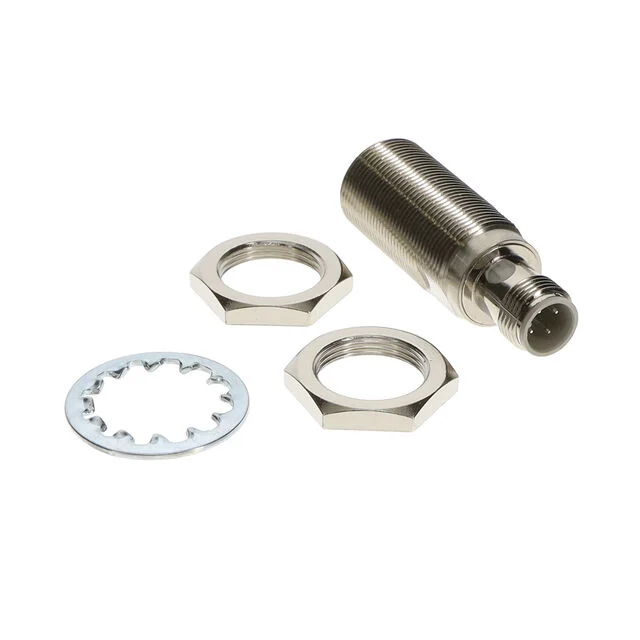
Deploying the sensor to verify the presence of ferrous weld nuts in robotic assembly cells. Its 8 mm shielded sensing distance enables close integration with the metal tooling nests without false triggering from the surrounding metal structure (quasi-flush mounting).
Problem SolvedConventional sensors often suffer from mechanical damage due to collisions in tight tooling areas or fail due to heat from proximity to welding. The extended range allows the sensor to be positioned farther away from moving parts, and its -40 to 85°C operating range ensures survival near thermal processes.
Quasi-flush mountingPNP outputSensing distance 8mmFerrous metal detection
2. High-Pressure Washdown Beverage Bottling Line
Utilizing the sensor to monitor the position of stainless steel or steel starwheels and guide rails on a beverage filling machine. Since it meets IP69K protection standards, it easily tolerates high-pressure hot water and chemical washdowns used in sanitary cleaning processes.
Problem SolvedMoisture ingress in washdown zones frequently causes sensor failures and short circuits. The IP69K rated body prevents liquid penetration, while the IO-Link interface allows the control system to monitor diagnostic data and detect any internal temperature deviations before a failure occurs.
IP69KIO-Link diagnosticsM12 connectorNickel-plated brass
3. Outdoor Conveyor Material Handling in Cold Storage
Sensing the position of mechanical trays and diverters on conveyors moving products into and out of deep-freeze warehouse environments or extreme outdoor conditions.
Problem SolvedExtreme temperatures can cause standard sensors to experience severe drift in detection range, or experience internal cracking. The sensor operates reliably down to -40°C with highly stable temperature drift characteristics, ensuring consistent 8 mm detection regardless of ambient frost or thermal cycling.
-40 to 85 °C rangeResponse frequency 500 HzM18 threaded cylinderTemperature drift resistance